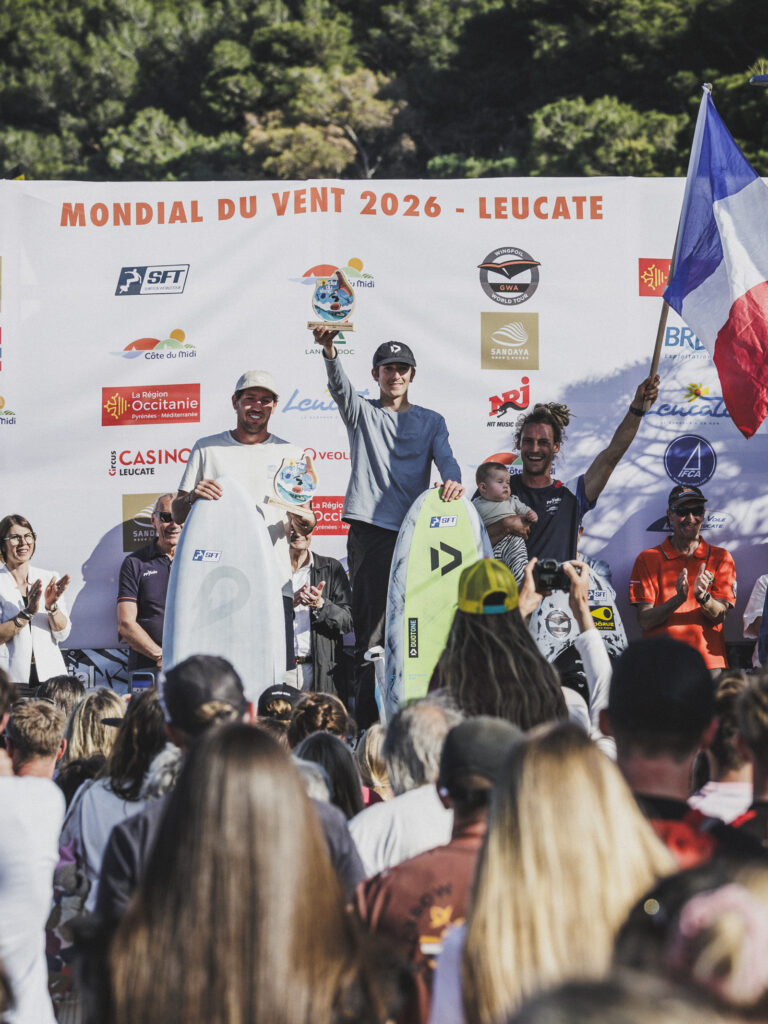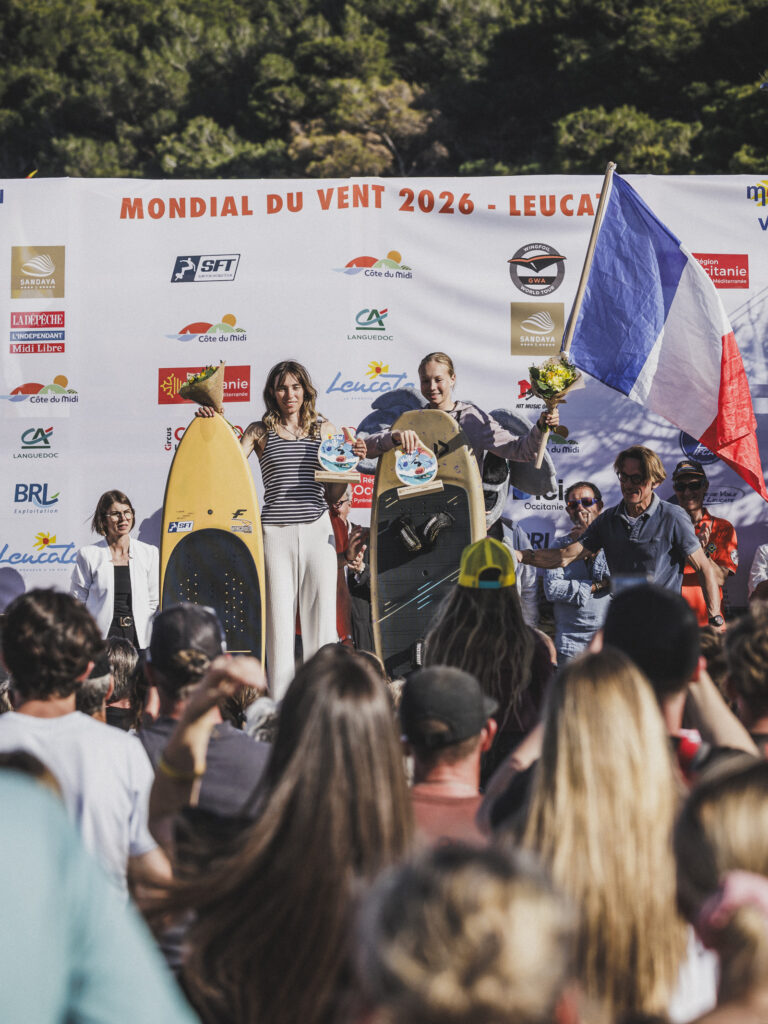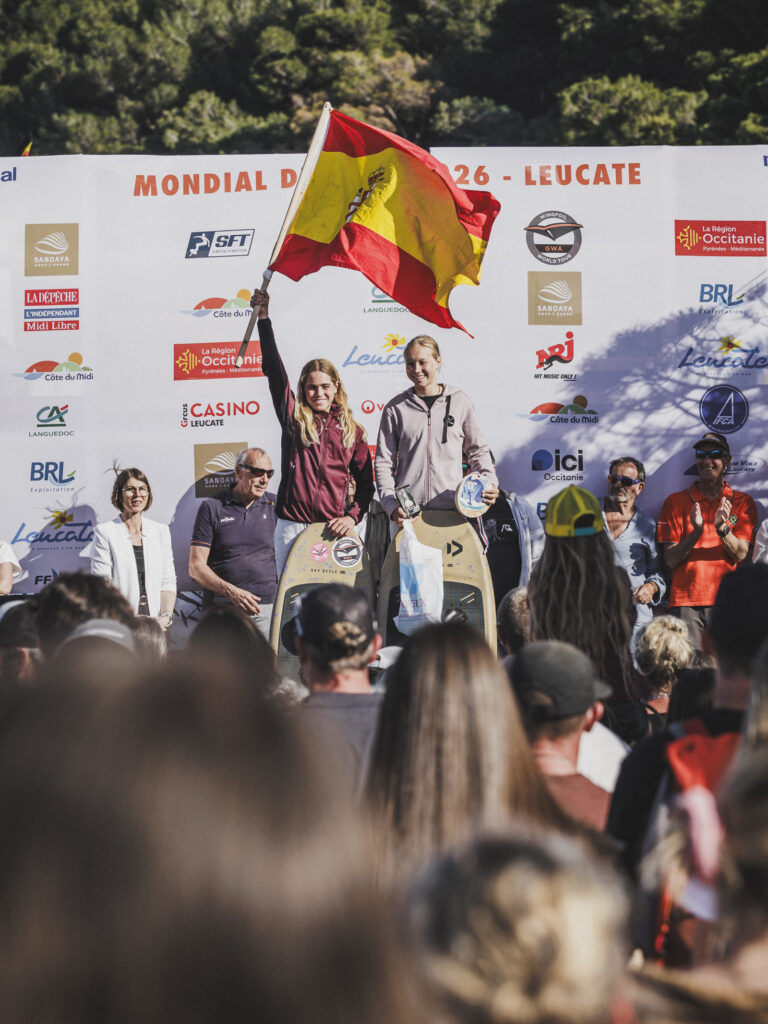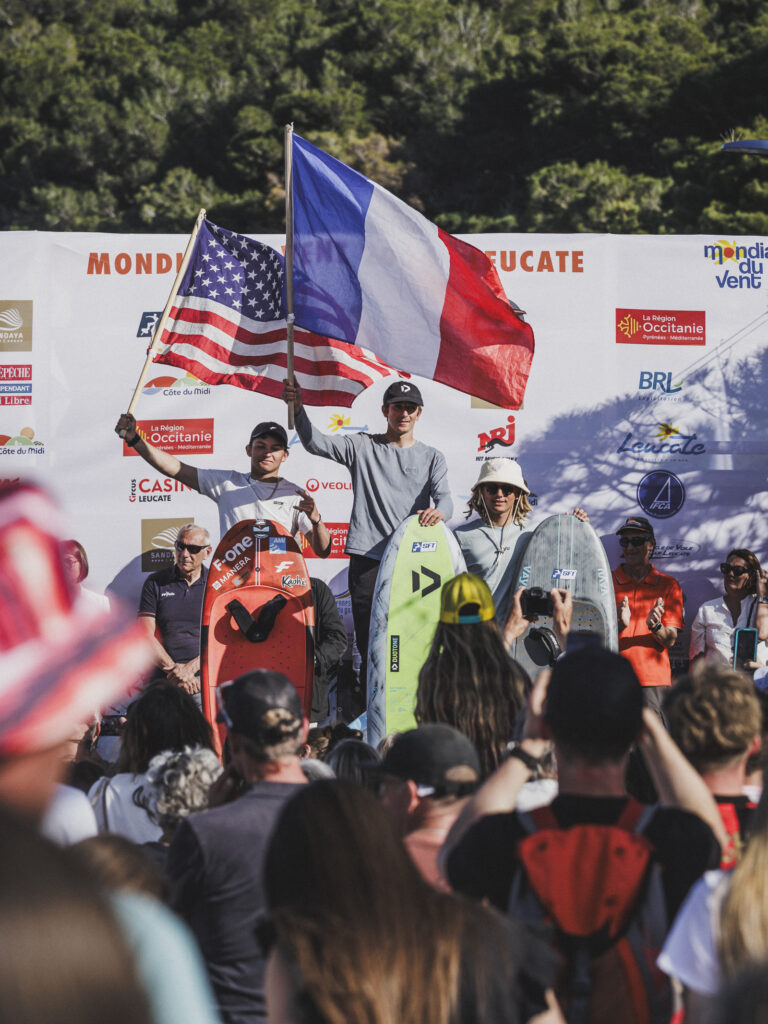
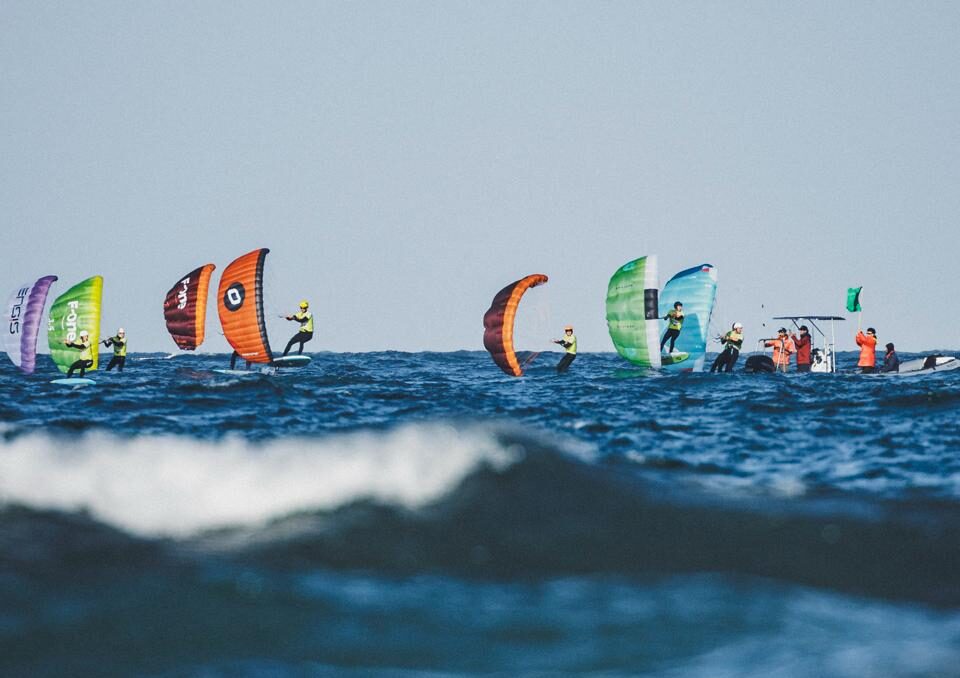
From April 22–26, the shores of Leucate hosted something the world had never seen before. As part of the legendary festival of wind – Mondial du Vent, the first-ever Downwind Parawing World Cup unfolded — not just as a competition, but as the starting point of a new discipline. What followed wasn’t scripted. It was built in real time.
A Field Beyond Expectation
Participation exceeded all expectations.
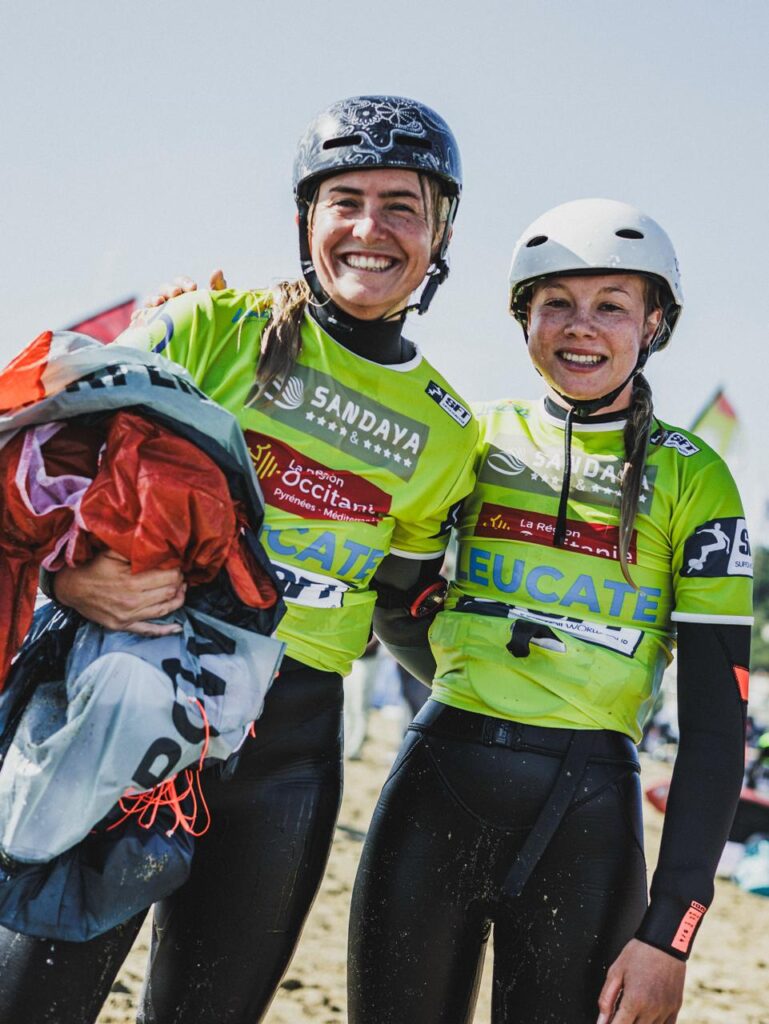
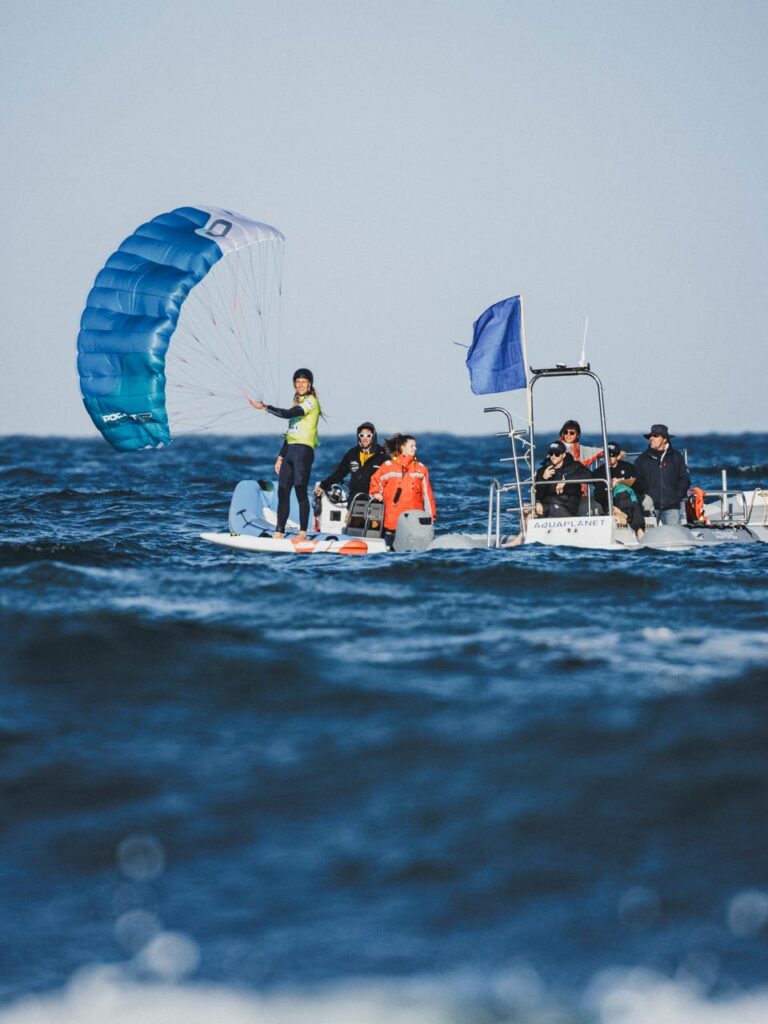
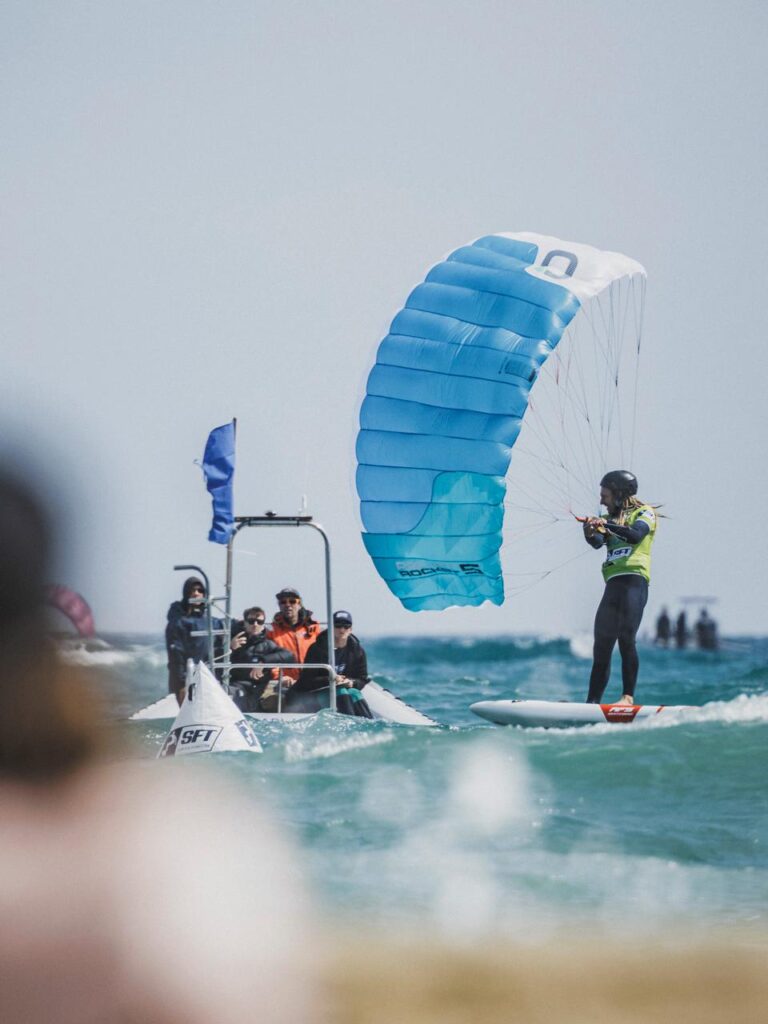
A total of 30 men and 9 women lined up for the inaugural event, a clear signal that parawing is already gaining global traction. The field reflected the nature of the discipline itself: a mix of experienced downwind riders, seasoned wingfoilers and windsurfers, alongside a new generation discovering parawing, all performing at a remarkably high level.
Raw, diverse, and unpredictable. Exactly what a new sport should look like.
When Conditions Shape the Discipline
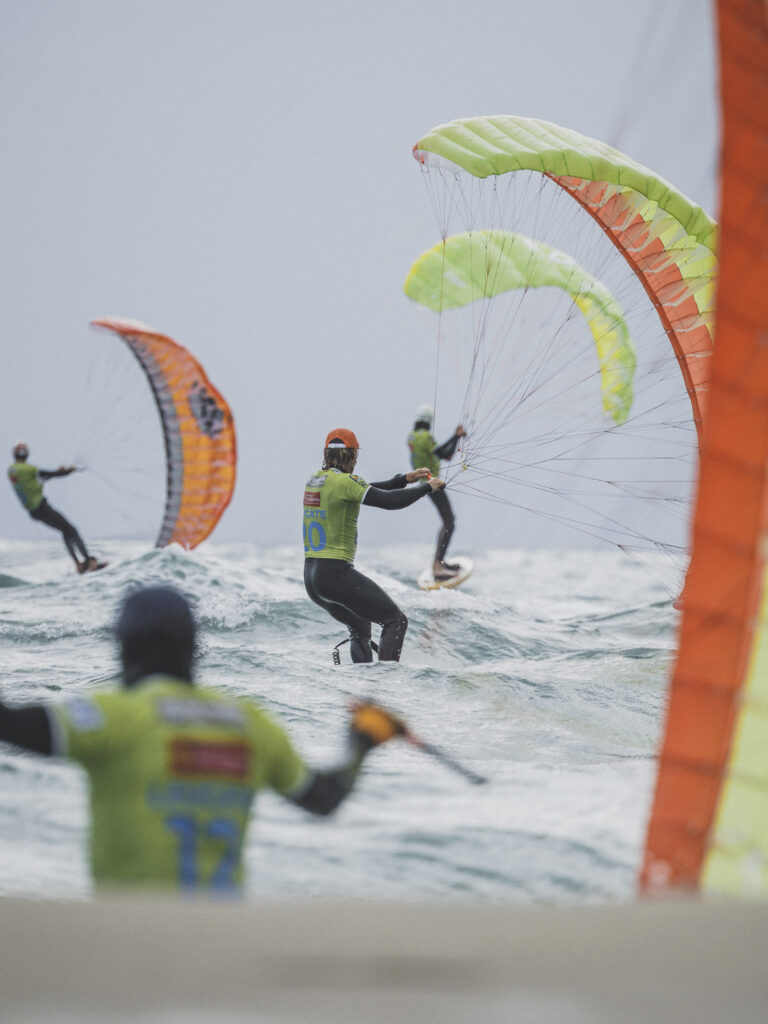
Leucate is known for its powerful Tramontana winds but this time, conditions told a different story. The wind didn’t arrive in full force and that changed everything. Rather than limiting the competition, it revealed one of parawing’s defining strengths: The discipline performs in lighter wind conditions, opening a new spectrum for the sport.
Riders adapted. Formats evolved. Together with the athletes, race structures were adjusted in real time. This wasn’t just racing. This was the sport evolving live.
A Format That Captured Everyone
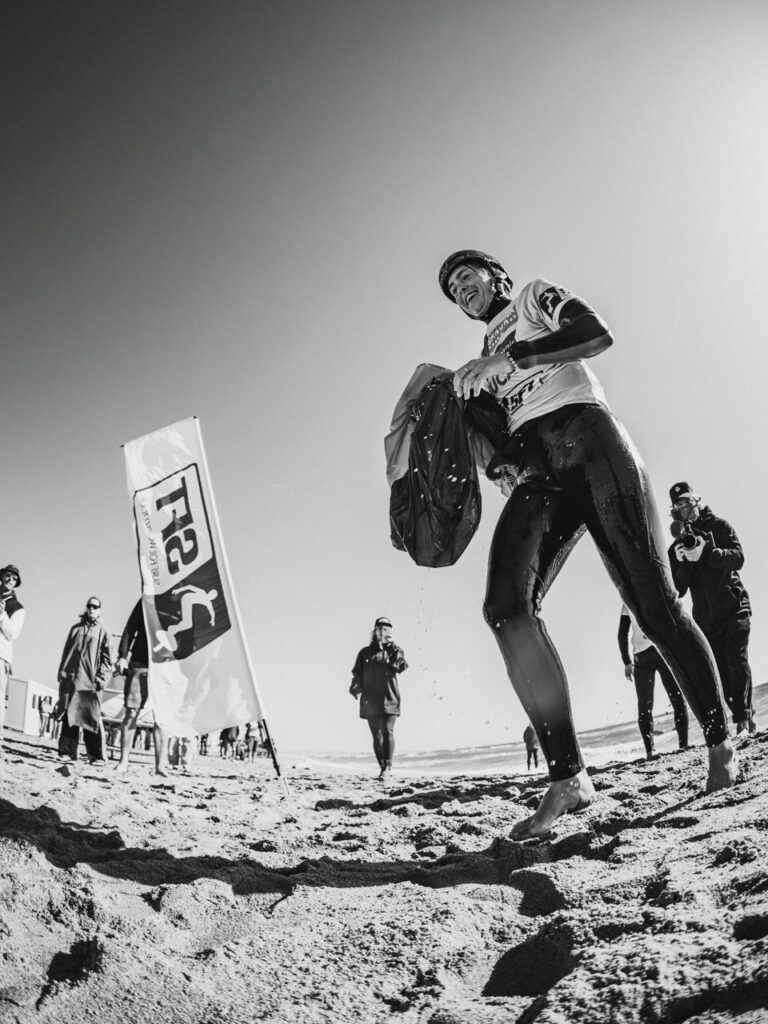
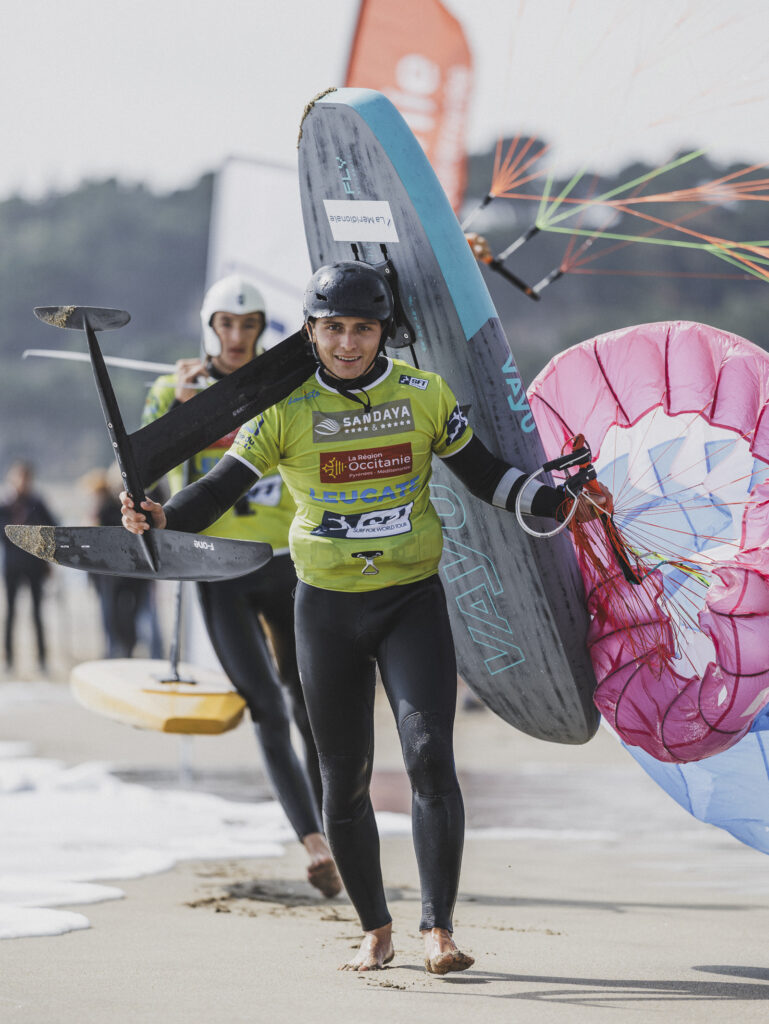
Among the formats tested, one stood out immediately: race with a beach finish.
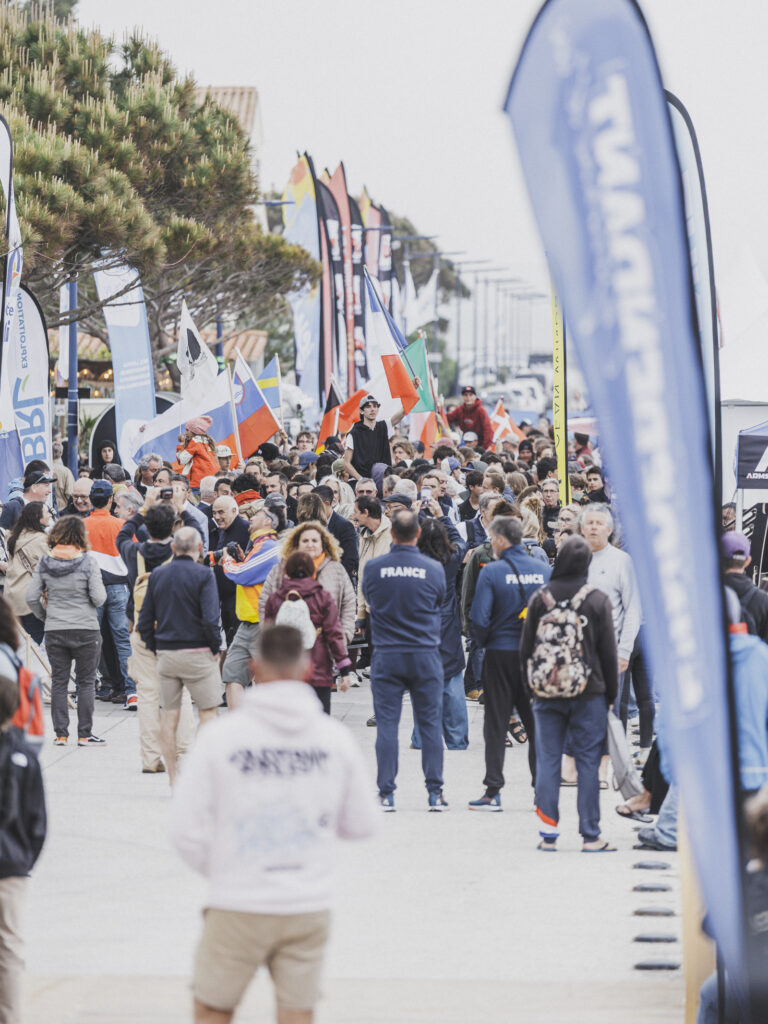
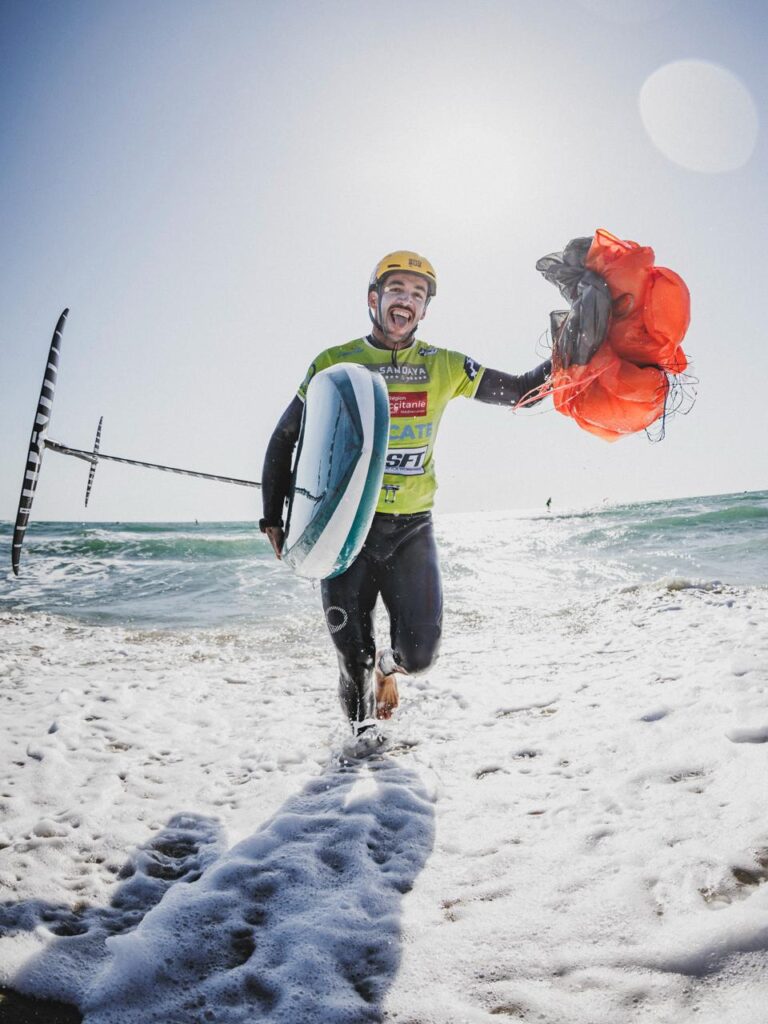
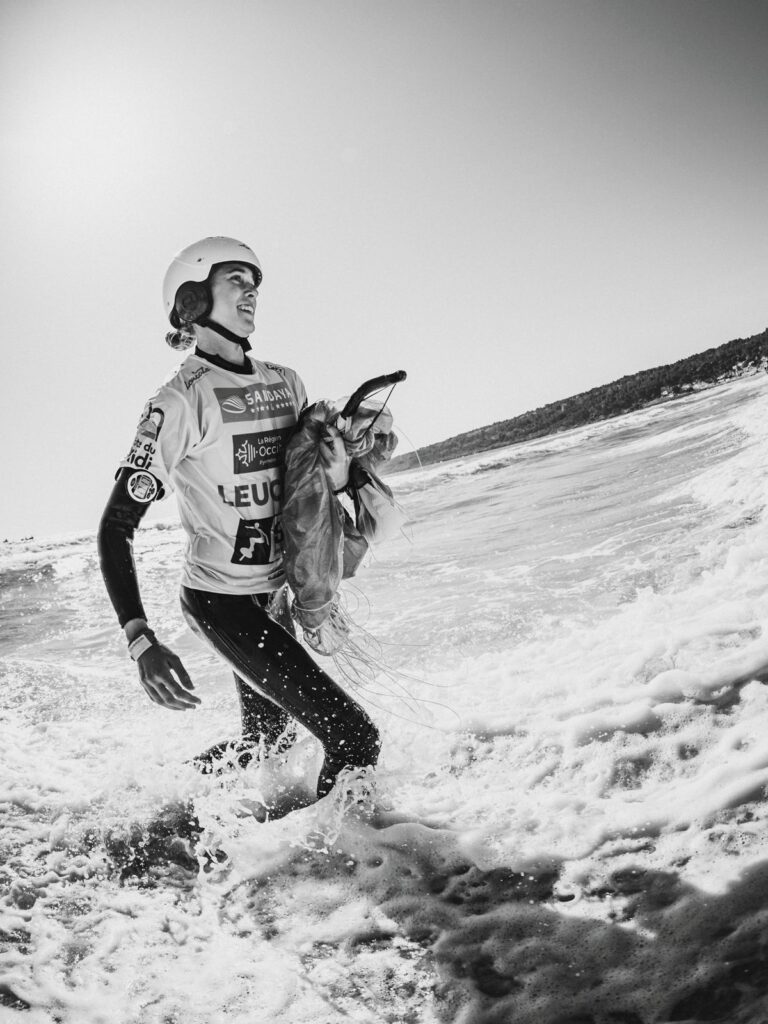
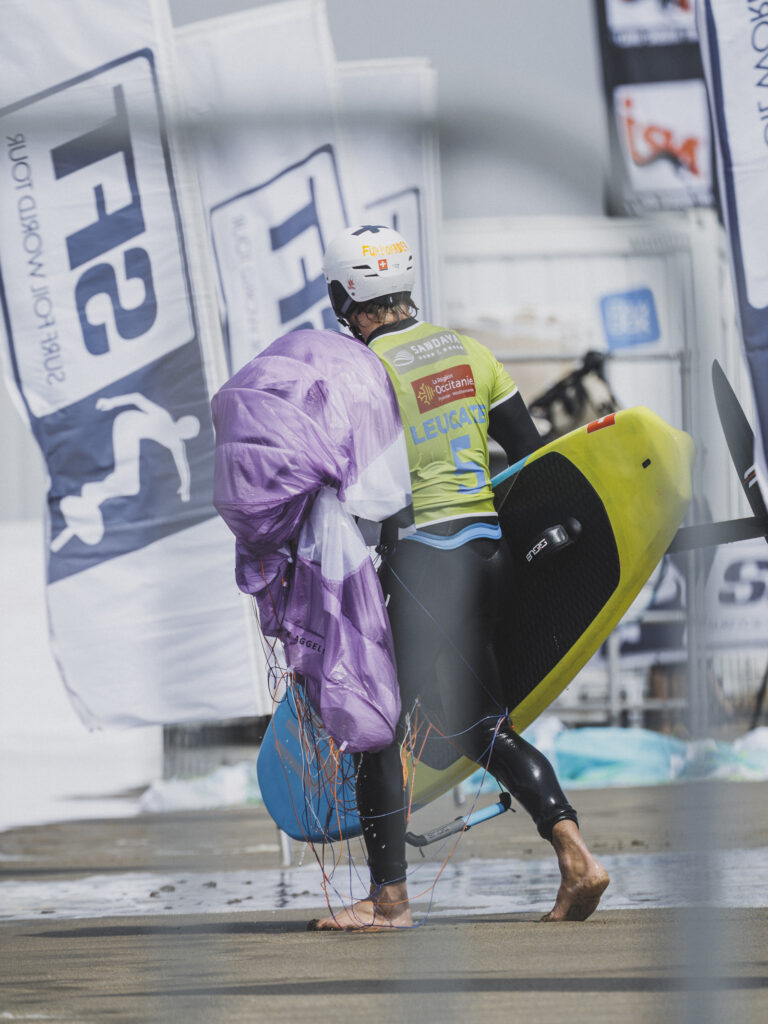
Riders pushed through open water, navigating swell and wind, before committing to a final line straight onto the shore – crossing the finish at full speed on the sand. It changed the dynamic completely. For athletes, it demanded precision, timing, and commitment. For the audience, it brought the sport closer than ever before. The beach came alive. Crowds gathering, energy building, every finish met with a surge of cheers. At the same time, different racing approaches began to take shape.
Structured wingfoil and sailing mindsets met more instinct-driven downwind riding styles – each influencing how lines were chosen and races were executed.
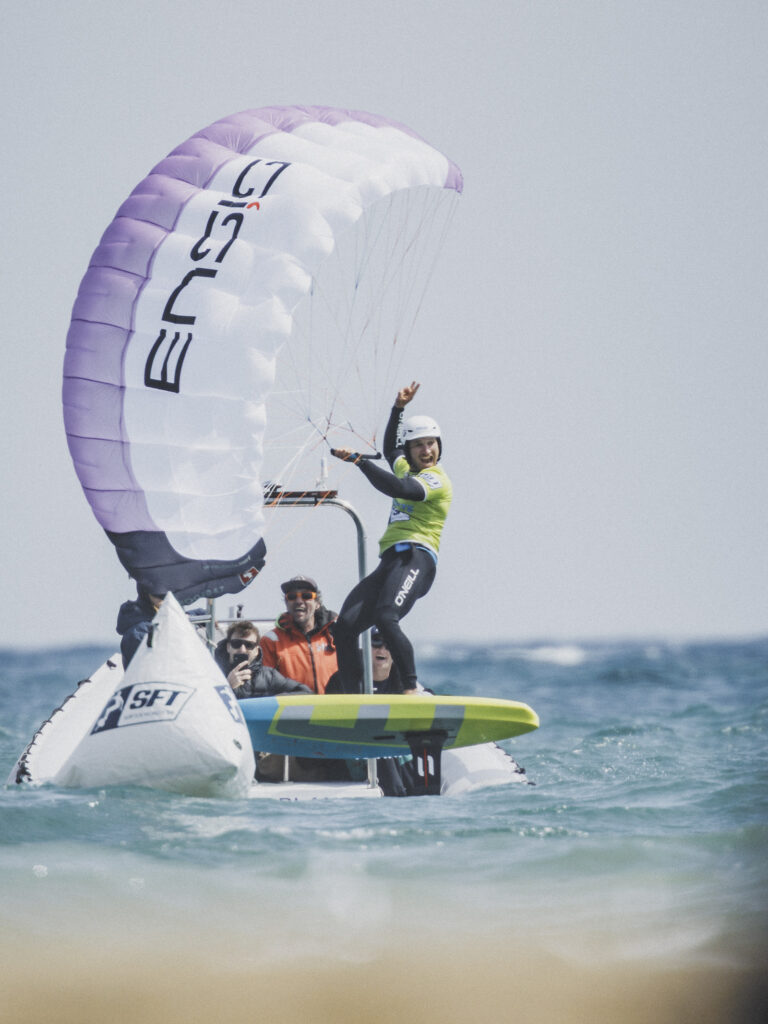
That contrast extended to equipment. Some of the fastest riders pushed 700–750 cm² foils – unusually small for the conditions – while much of the field opted for 900–1000 cm², balancing speed and control.
Performance met adaptation and the formats revealed just how wide the discipline can stretch.
More Than Competition
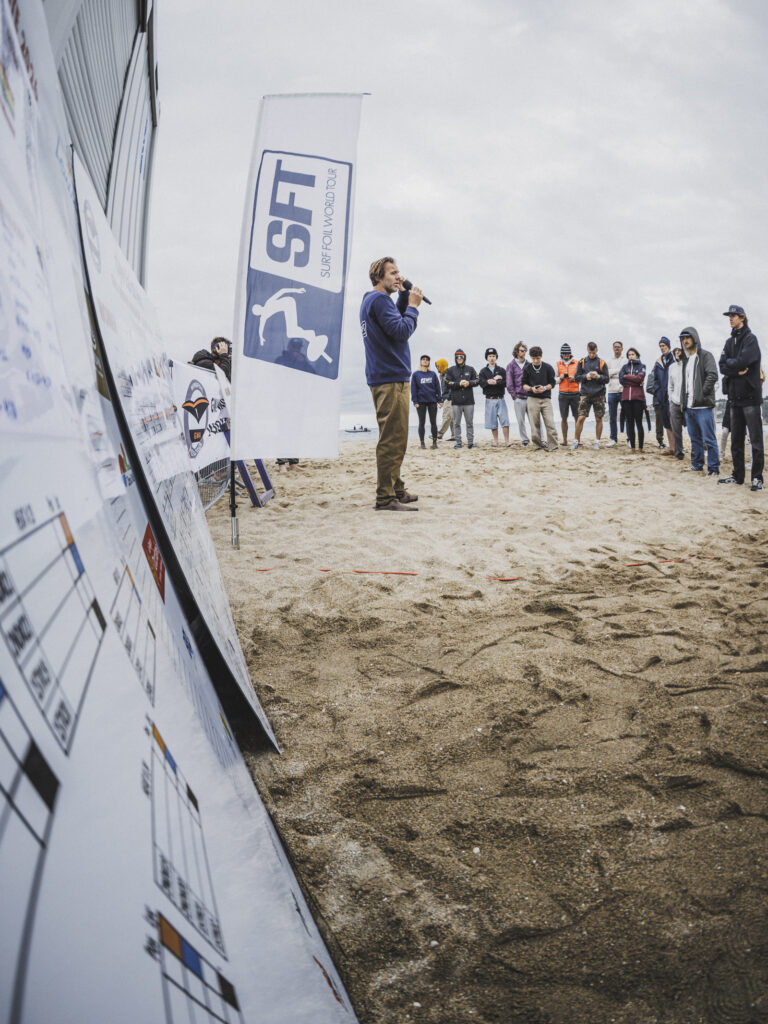
What set this World Cup apart was not only what happened on the water but what happened around it. For the first time, an open rider feedback session brought athletes and organizers together to shape the future of the discipline. No closed structure. No fixed rulebook. Instead – a shared process.
Parawing is being built. Together.
A First Chapter, Not a Conclusion
The first ever Downwind Parawing World Cup did not deliver final answers. It delivered something far more important: a foundation.
New formats.
New possibilities.
A clear signal that this discipline has the depth, adaptability, and energy to grow. And most importantly — a community ready to build it. From Leucate, a new chapter begins.
🏆 FINAL EVENT RESULTS
Men
- Tom Pansard FRA
- Bastien Escofet FRA
- Alan Fedit FRA
Women
- Manon Dupe FRA
- Mae Haas FRA
- Viola Lippitsch AUT
Youth Men
- Tom Pansard FRA
- Luca Vuillermet USA
- Hugo Babilon USA
Youth Women
- Manon Dupe FRA
- Sofia Ginzinger ESP
Masters
- Dmitry Evseev MRU