Wake Foil: Precision, Power, and Flight Behind the Boat
The Wake Foil discipline represents a thrilling convergence of towed water sports and hydrofoil technology. Featured as a key discipline on the Surf Foil World Tour, Wake Foil takes the concept of wakeboarding and elevates it—literally—by lifting the rider above the water’s surface, unlocking a new realm of speed, control, and maneuverability.
Unlike traditional wakeboarding where the rider crashes against the chop and battles the wake’s turbulence, wake foiling allows athletes to fly silently above it all, using the boat’s wake as a launching pad for endless possibilities.
The Discipline Explained
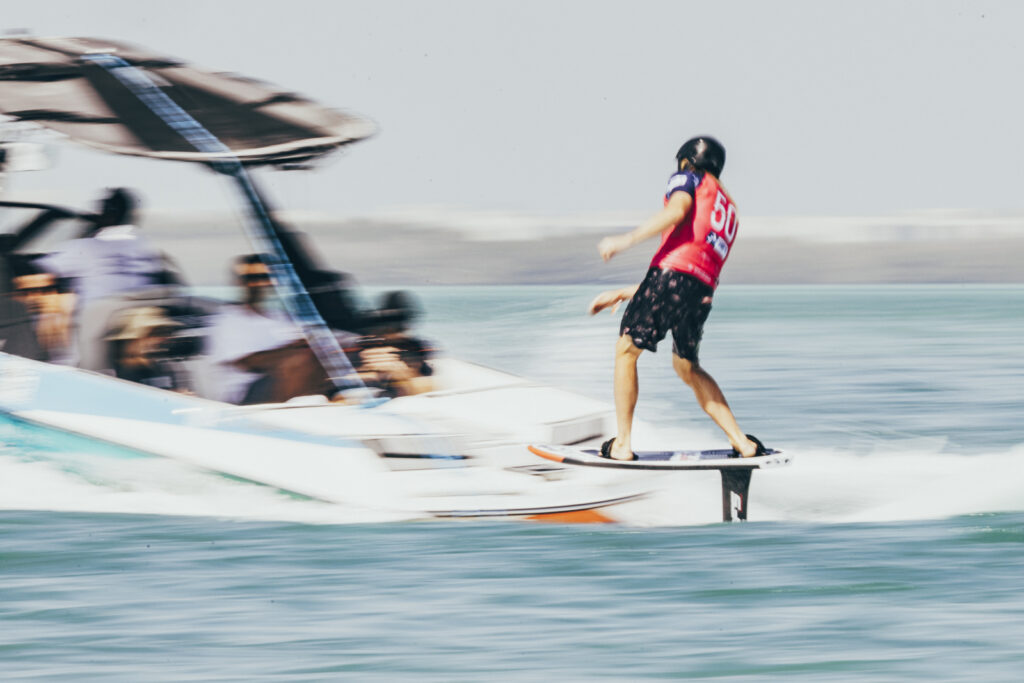
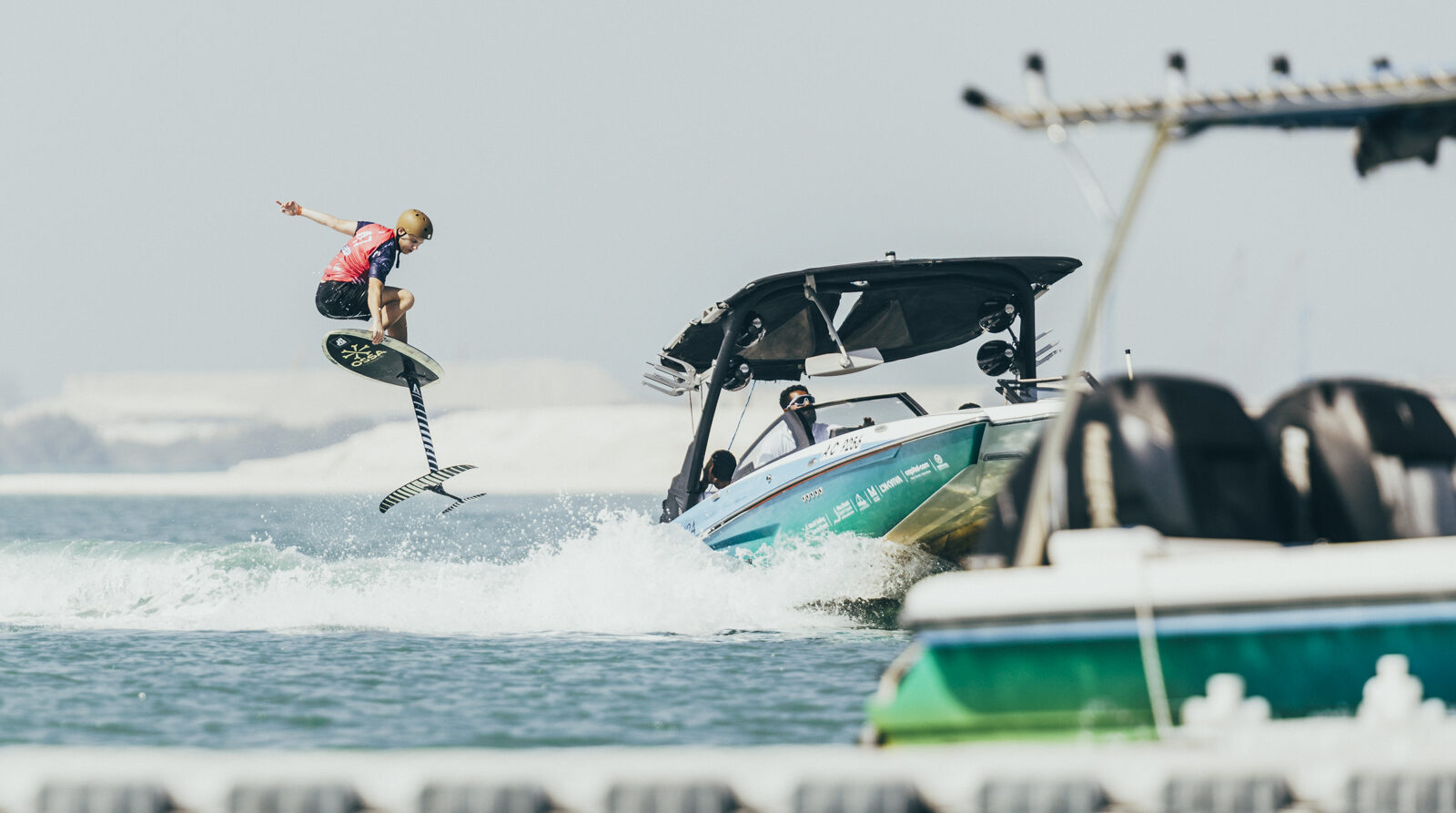
Wake Foil involves a rider being towed behind a boat—typically a specialized wake boat—while mounted on a hydrofoil board. As the boat gains speed, water flows over the foil’s wings, generating lift. The rider rises out of the water, and from that moment on, the experience transforms completely.
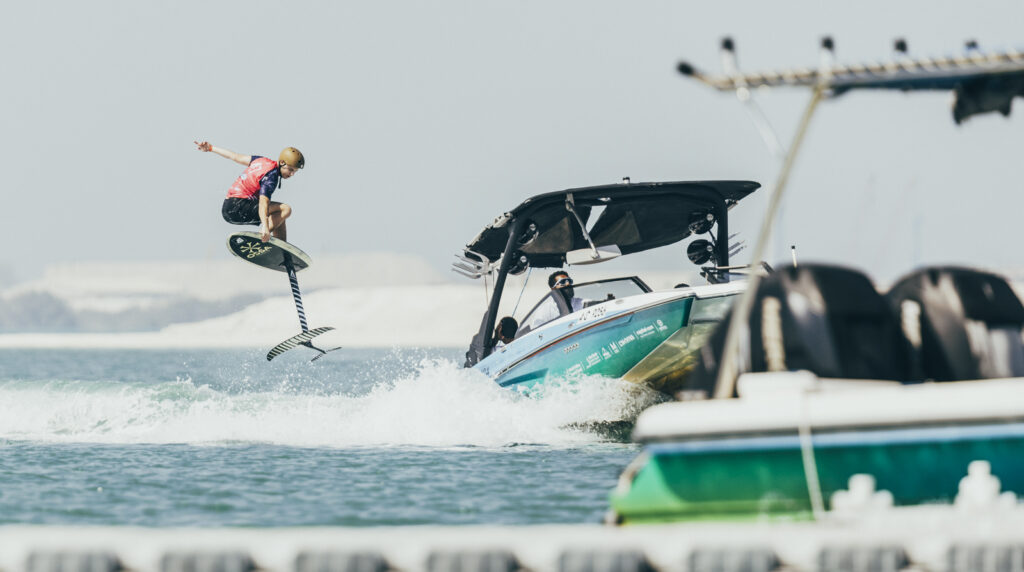
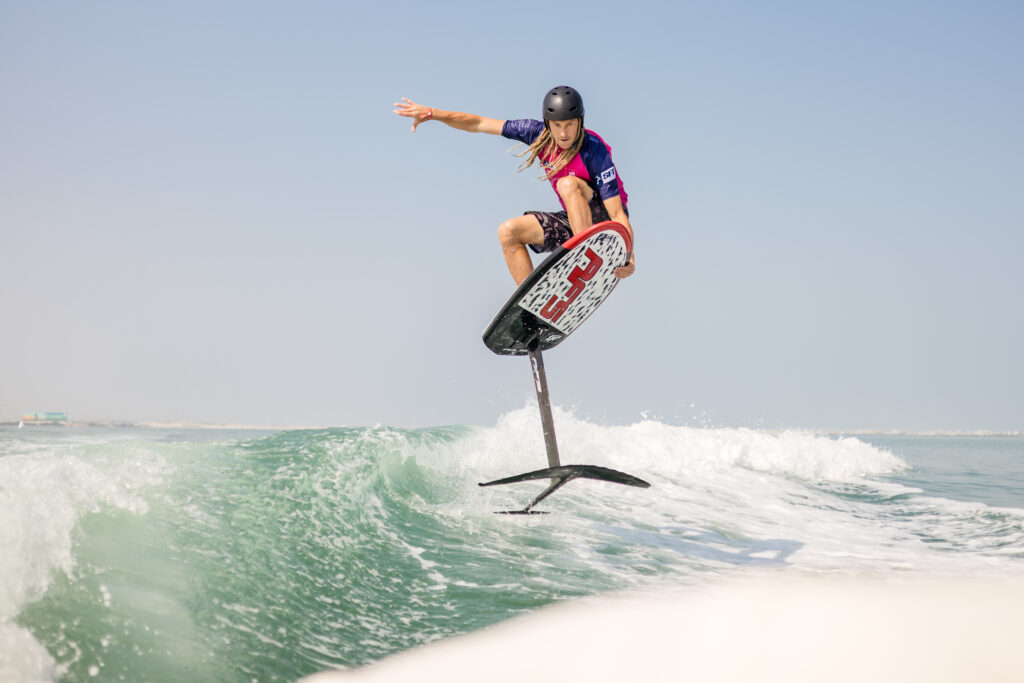
With the board no longer slapping against the surface, the ride becomes silent, smooth, and surreal. The rider is no longer a captive of the wake; they are its master. They can carve huge, sweeping turns, pump for speed, and use the wake as a ramp to launch into the air. Because the foil provides lift, even the flattest sections of water behind the boat become playgrounds for extended flight.
Key Elements of Competition
On the Surf Foil World Tour, Wake Foil competition showcases a unique blend of technical precision, creativity, and raw power. Athletes are judged not just on their ability to stay on the foil, but on how they manipulate the energy of the boat and the wake.
-
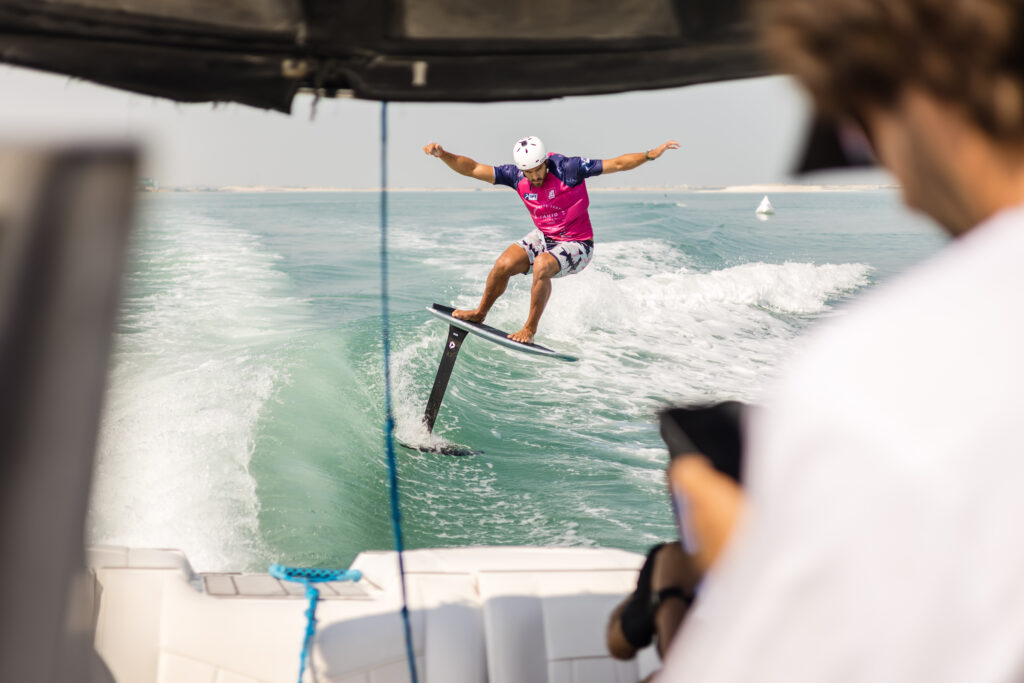
Carving and Line Control: Judges look for deep, aggressive carves that utilize the full surface of the wake. Riders must demonstrate the ability to draw massive arcs, transitioning from one side of the wake to the other with fluidity and control while maintaining flight.
-
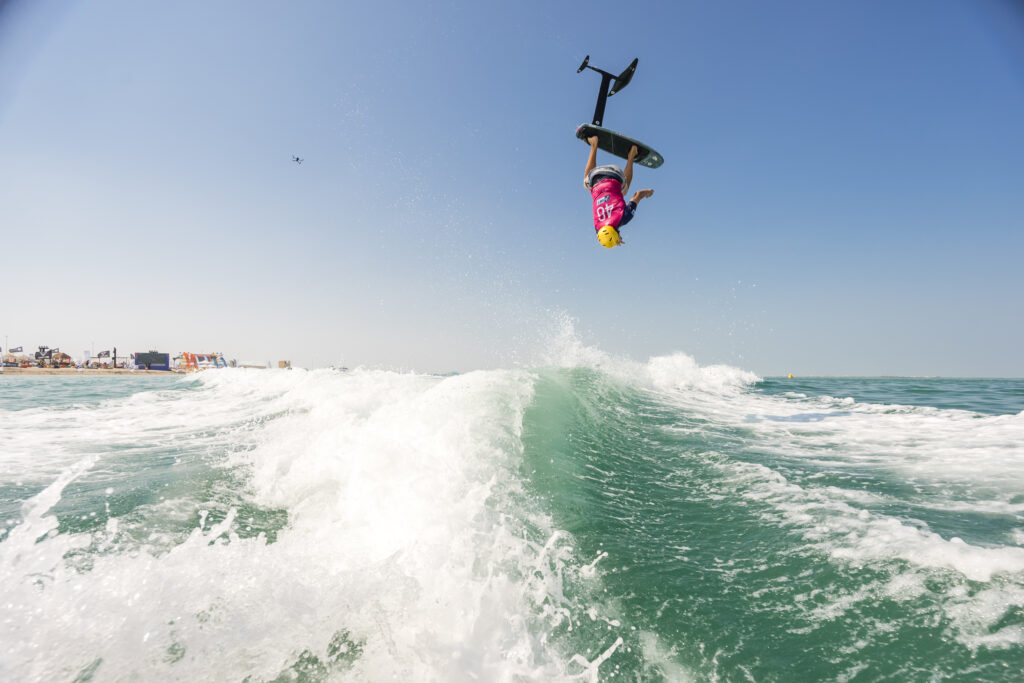
Aerial Maneuvers: The wake serves as a ramp, and the foil acts as a springboard. Competitors launch themselves and their boards into the air, performing rotations, grabs, and stylish tweaks before landing smoothly back on the foil. The goal is to combine amplitude with technical complexity.
-
Surface Passes and Transitions: While much of the riding happens in the air or on the wake, surface passes—riding parallel to the boat on the flat water—demonstrate the rider’s ability to generate and maintain speed through pumping alone, a true test of foil efficiency.
-
Style and Fluidity: Wake Foil is as much about how you ride as what you ride. Judges reward riders who make complex maneuvers look effortless, maintaining a smooth, connected flow from takeoff to landing and from trick to trick.
-
Boat and Rope Management: Unlike surfing where the wave provides all the power, Wake Foil requires the athlete to work in harmony with the boat’s speed and the rope’s tension. Skilled riders use the rope not as a crutch, but as a tool to generate momentum and set up their next move.
Why It’s Captivating
Wake Foil offers a unique spectacle for audiences. It combines the high-flying excitement of wakeboarding with the eerie silence and grace of foiling. Riders seem to defy physics, floating weightlessly above the water one moment and launching skyward the next.
For the Surf Foil World Tour, Wake Foil represents versatility and innovation. It demonstrates that the magic of foiling extends beyond the ocean, thriving in the controlled environment of a lake or river. It is a discipline that rewards creativity, technical skill, and the courage to push the limits of what is possible behind the boat.